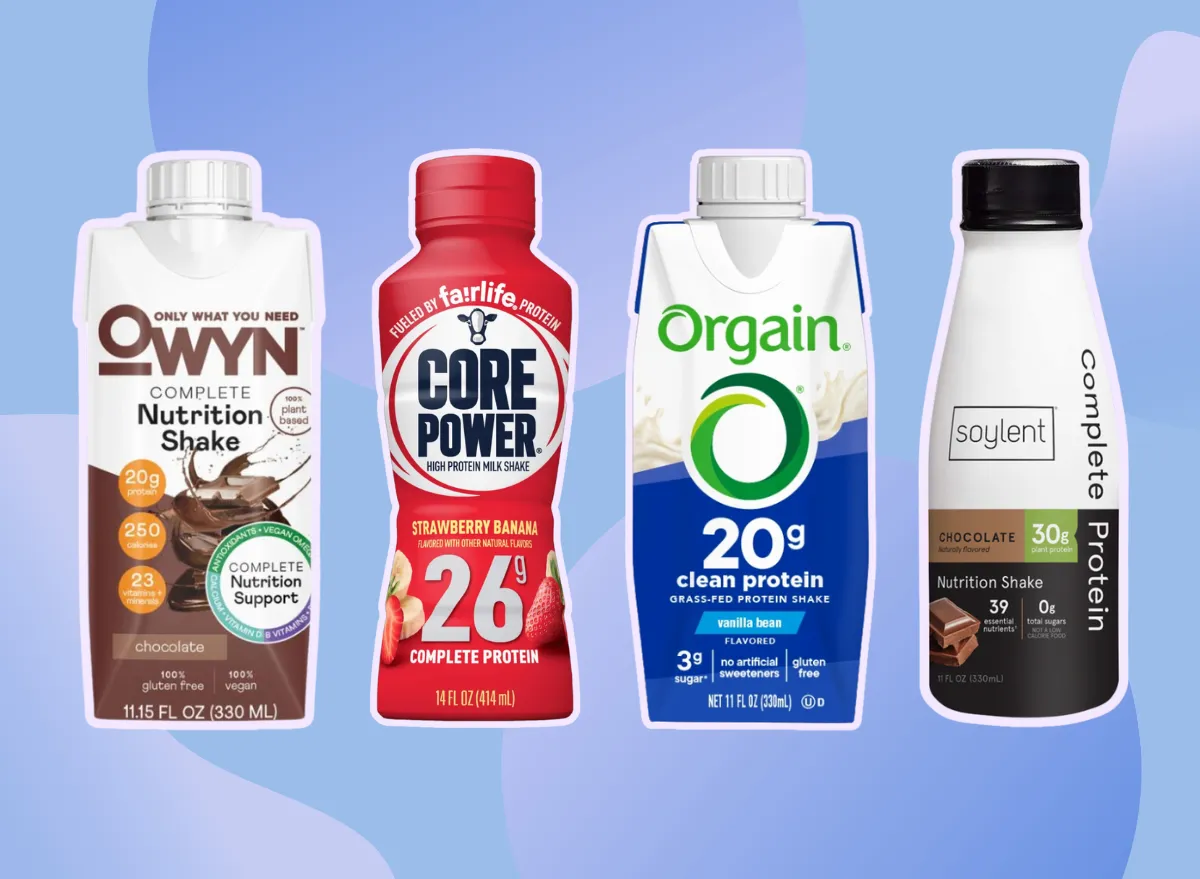
The Best Protein Shakes of 2024: Dietitian-Approved for Optimal Health
In today's fast-paced world, convenience often dictates our choices, especially when it comes to nutrition. Supermarket shelves are brimming with ready-to-drink protein shakes, offering a quick fix for hungry muscles or a busy schedule. But with an overwhelming variety – from milk-based concoctions featuring whey and casein to plant-based alternatives derived from soy, almond, or pea protein – how do you discern the truly beneficial from the merely palatable? As dietitians consistently advise, whole foods should always be your nutritional cornerstone. However, healthy protein shakes carve out a unique and indispensable niche for specific populations, including dedicated athletes, active older adults, those recovering from surgery or illness, and individuals with demanding lifestyles. They present a practical, efficient, and often delicious way to meet protein, calorie, and essential micronutrient requirements, particularly when fresh, whole foods aren't readily available or when quick, easy nutrition is paramount.
Decades of robust research consistently underscore the critical role high-quality protein plays in our health. It's not just a muscle builder; adequate protein intake is instrumental in preserving and growing lean body mass, effectively managing appetite, and significantly boosting metabolism. This compelling evidence highlights why integrating the *best protein shakes* into your diet, when chosen wisely, can be a powerful tool for achieving your health and fitness objectives.
Why Protein Shakes Are More Than Just a Convenience
Beyond their undeniable ease of use, protein shakes offer a spectrum of health benefits that make them a valuable addition to many dietary plans. They are designed to deliver concentrated nutrition, bridging gaps that might otherwise go unfilled.
Supports Healthy Weight Management
When embarking on a weight loss journey, the goal is often to shed body fat while preserving lean muscle mass. Protein shakes excel in this regard. Protein is known for its satiating properties, helping you feel fuller for longer and potentially reducing overall calorie intake. Furthermore, maintaining a higher muscle mass contributes to a more active metabolism, meaning your body burns more calories even at rest. For most individuals looking to manage their weight effectively, aiming for 20 to 30 grams of protein per meal, whether from whole foods or a quality shake, serves as an excellent guideline. The *best protein shakes* for weight management often feature a lean protein profile with minimal added sugars and unhealthy fats.
Optimized for Muscle Building and Repair
One of the most recognized benefits of protein shakes is their capacity to fuel muscle growth and facilitate recovery. These supplements are specifically formulated to provide all nine essential amino acids (EAAs) that the body cannot produce on its own, which are crucial for the synthesis and maintenance of muscle tissue. Among these, branched-chain amino acids (BCAAs) – leucine, isoleucine, and valine – are particularly vital for initiating muscle protein synthesis. Whether consumed post-workout to kickstart recovery or between meals to maintain an anabolic state, protein shakes deliver a potent dose of these muscle-building components.
Unmatched Convenience for Busy Lifestyles
While careful meal planning and prepping high-protein snacks can certainly achieve similar macronutrient profiles, the reality of a packed schedule often makes this challenging. Protein shakes offer an unparalleled level of convenience. They require minimal preparation, are easily transportable, and can be consumed on the go. This makes them an ideal solution for busy professionals, students, or anyone who finds themselves short on time but unwilling to compromise on their nutritional intake. You can find the *best protein shakes* readily available online or in most grocery stores, making healthy eating accessible even amidst the busiest days.
Valuable Nutritional Support for Specific Needs
Protein shakes extend their utility beyond just muscle and convenience, providing targeted nutritional support for various life stages and circumstances.
*
As a Meal Replacement: When traveling, commuting, or simply too busy to prepare a balanced meal, a well-formulated protein shake can serve as a convenient and nutritionally sound meal replacement, preventing reliance on less healthy fast-food options.
*
Micronutrient Fortification: Many commercial protein shakes are fortified with a range of important micronutrients, including B vitamins, antioxidants, and vitamins A and D. This can be especially beneficial for individuals who may not consume enough of these vital nutrients through their regular diet.
*
Crucial for Older Adults: For the elderly, maintaining adequate protein intake can be challenging due to decreased appetite, dental issues, or difficulty preparing meals. Protein shakes offer an easy-to-consume, high-quality source of protein and essential nutrients, helping to combat sarcopenia (age-related muscle loss) and support overall vitality. They can significantly improve nutritional status when appetite is lower than necessary.
*
Recovery from Illness or Surgery: During periods of recovery, the body's protein needs can significantly increase to repair tissues and support the immune system. Shakes provide a gentle, easily digestible source of nutrients, vital for healing and regaining strength.
Decoding the Label: What Dietitians Look For in the Best Protein Shakes
Choosing the *best protein shakes* requires a discerning eye. Many are indeed "overly sweet, chalky, or packed with added sugars and fillers," as expert testers have noted. A dietitian-approved choice focuses on key nutritional criteria to ensure you're getting maximum benefit without unnecessary downsides.
Protein Content: The Sweet Spot
The primary purpose of a protein shake is, naturally, protein. A good protein shake should deliver between 15 and 30 grams of protein per bottle or serving. While more might seem better, research suggests that consuming more than 30 grams of protein in a single meal or sitting provides no additional significant benefits for muscle protein synthesis for most individuals, as the body can only utilize a certain amount at once. Look for high-quality sources like whey (fast-digesting, complete protein), casein (slow-digesting, ideal for sustained release), soy (complete plant protein), or a blend of plant proteins (pea, rice, hemp) to ensure a complete amino acid profile.
Calorie Count: Aligning with Your Goals
The ideal calorie count varies based on your individual goals. For most people aiming to maintain weight or lose body fat, selecting protein shakes with up to 250 calories is a smart move. If fat loss is your objective, lean towards options with lower calorie counts and fewer carbohydrates. Conversely, athletes in an intense training phase or individuals looking to gain weight might opt for shakes with a higher calorie density to meet their increased energy demands.
Carbohydrates and Sugars: Watch Out for Hidden Sweeteners
Unless you're an athlete needing a carbohydrate boost for energy replenishment, keep an eye on the carbohydrate and, especially, added sugar content. Many protein shakes are unfortunately laden with excessive sugars to enhance flavor, undermining their health benefits. Opt for shakes that are low in added sugars, relying instead on natural flavors or minimal, healthier sweeteners. A modest amount of carbohydrates from whole food sources like fruit or oats can be acceptable, particularly if the shake is intended as a meal replacement or post-workout recovery drink.
Ingredient Quality and Transparency
Beyond the macronutrients, the overall quality of ingredients matters. Seek out protein shakes that minimize artificial flavors, colors, and excessive fillers. Brands that provide transparent ingredient lists and ideally undergo third-party testing for purity and potency often indicate a higher commitment to quality. Additionally, consider any dietary restrictions or allergies; lactose-free, gluten-free, or specific plant-based options are widely available.
Expert-Tested and Dietitian-Approved: Our Top Picks for 2024
While we won't list specific brands, understanding the characteristics that make the *best protein shakes* dietitian-approved will empower you to make informed choices. Our selections are based on what experts prioritize: nutritional integrity, high-quality ingredients, and palatable taste without compromising health.
For Weight Management: Low-Calorie, High-Protein Options
These shakes typically feature a lean protein source (often whey isolate or pea protein isolate) with minimal carbohydrates and fats. They are designed to provide maximum satiety and muscle support with the fewest possible calories, helping you stay on track with your fat loss goals. Look for those with natural sweeteners and a robust fiber profile if possible, to further enhance fullness.
For Muscle Building: Whey-Dominant or Complete Plant Proteins
For those focused on muscle hypertrophy and recovery, look for shakes rich in fast-acting proteins like whey, especially whey hydrolysate or isolate, known for their rapid absorption and high BCAA content. Plant-based muscle builders often combine proteins like pea and rice to ensure a complete amino acid profile, mimicking animal protein quality. These may have a slightly higher calorie count to support energy demands.
For Plant-Based Diets: Quality Vegan Blends
The market for plant-based protein shakes has exploded, offering excellent alternatives for vegans or those with dairy sensitivities. The *best protein shakes* in this category typically feature a blend of pea, rice, and/or hemp proteins to create a complete amino acid profile. Ensure they are fortified with B12, which is often lacking in vegan diets, and check for certifications like "vegan" or "dairy-free."
For Seniors & Recovery: Nutrient-Dense, Easy-to-Digest Formulas
For older adults or individuals recovering from illness, easily digestible protein sources are key. Shakes with hydrolyzed protein (pre-digested for easier absorption) or those containing digestive enzymes can be beneficial. These options are often fortified with additional vitamins and minerals like Vitamin D, calcium, and B vitamins to support bone health and overall nutritional status.
Tips for Incorporating Protein Shakes into Your Diet
Integrating protein shakes into your routine effectively means knowing when and how to use them.
*
Post-Workout: A classic use case, a shake consumed within 30-60 minutes post-exercise can kickstart muscle repair and recovery.
*
Healthy Snack: When hunger strikes between meals, a protein shake can be a more nutritious and satisfying option than processed snacks.
*
Meal Replacement: On exceptionally busy days, a fortified protein shake blended with fruits, vegetables, and a healthy fat source (like nut butter) can serve as a balanced, quick meal.
*
Enhance Nutritional Value: Don't just drink them plain! Blend your protein shake with spinach, kale, berries, flax seeds, or chia seeds to boost fiber, vitamin, and antioxidant content.
*
Remember Whole Foods: Always prioritize whole, unprocessed foods as your primary source of nutrition. Protein shakes are powerful supplements, not replacements for a balanced diet.
For more in-depth analysis on how expert testing informs our recommendations, explore our article on
Expert-Tested Protein Shakes: Muscle Building, Weight Loss & More. Understanding these criteria is key to making informed choices, and for a deeper dive into selecting the best options, refer to
Choosing Healthy Protein Shakes: A Dietitian's Guide to Quality.
Conclusion
Protein shakes, when selected carefully and used judiciously, are far more than a passing trend. They are a valuable tool, endorsed by dietitians, for meeting diverse nutritional needs in 2024. Whether your goal is weight management, muscle growth, supporting an active lifestyle, or ensuring adequate nutrition as you age or recover, there's a dietitian-approved option among the *best protein shakes* for you. By understanding the key nutritional criteria – protein content, calorie count, sugar levels, and ingredient quality – you can confidently navigate the crowded market and choose shakes that genuinely contribute to your health and well-being, helping you achieve your fitness and health goals with delicious ease.