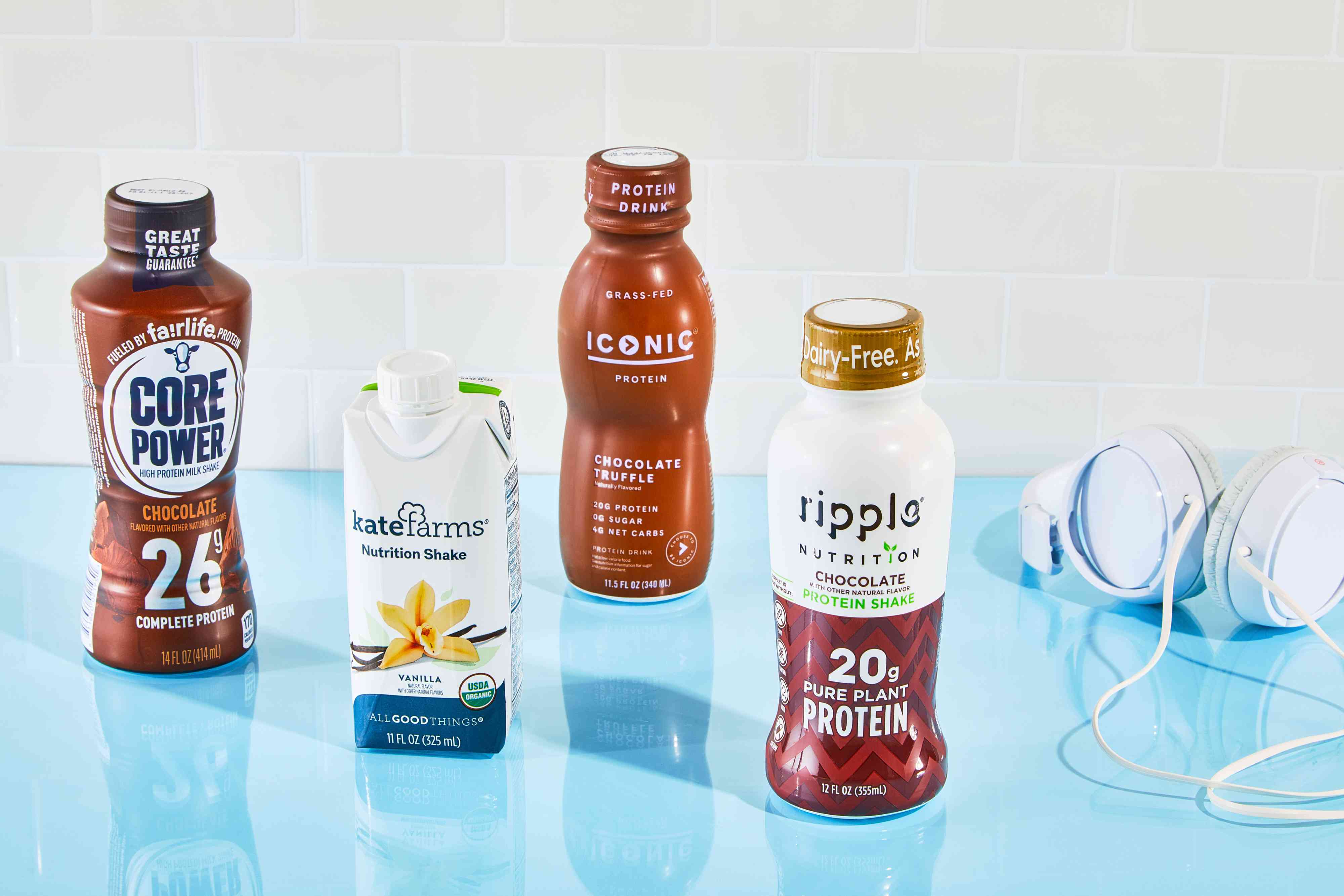
In a world bustling with health trends and convenience-driven solutions, ready-to-drink protein shakes have surged in popularity, becoming a staple for many. From supermarket aisles to gym refrigerators, the sheer variety can be overwhelming, making the quest for the best protein shakes feel like a daunting task. As a registered dietitian, I often guide my clients through this maze, emphasizing that while whole foods should always be the priority, healthy protein shakes play a unique and crucial role for specific populations.
For athletes striving to optimize performance and recovery, older adults battling sarcopenia, individuals recovering from surgery or illness, or simply those with demanding schedules, protein shakes offer a practical, efficient way to meet essential protein, calorie, and micronutrient requirements. Decades of robust research consistently highlight the instrumental role of high-quality protein in building and maintaining lean muscle mass, effectively controlling appetite, and boosting metabolic rate. This evidence firmly underpins the importance of incorporating adequate protein into your daily diet.
This guide aims to demystify the selection process, providing you with a dietitian's perspective on what truly makes a protein shake both healthy and effective. We'll explore key nutritional criteria, dissect ingredient lists, and offer actionable advice to help you choose wisely.
Why Healthy Protein Shakes Deserve a Spot in Your Diet
Beyond simple convenience, integrating protein shakes into your routine can offer a multitude of health benefits, especially when strategically chosen and used as a supplement to a balanced diet.
Supporting Weight Management and Lean Muscle
Protein is a powerhouse nutrient when it comes to managing body weight. Protein shakes can play an essential role by promoting satiety, which helps reduce overall calorie intake, and more importantly, by maintaining lean muscle mass during periods of fat loss. Losing weight often means losing some muscle along with fat, but adequate protein intake helps preserve that metabolically active tissue. A good guideline for most individuals aiming to manage their weight is to aim for 20 to 30 grams of protein per meal, a target easily achievable with a quality protein shake.
A Concentrated Source of Muscle-Building Amino Acids
Whether you're an avid lifter, an endurance athlete, or simply looking to preserve muscle as you age, protein shakes are designed to deliver a complete profile of all nine essential amino acids necessary for muscle protein synthesis. They are particularly rich in branched-chain amino acids (BCAAs) like leucine, isoleucine, and valine, which are critical triggers for muscle repair and growth after exercise. This makes them an invaluable tool for post-workout recovery and muscle maintenance.
Unbeatable Convenience for Busy Lifestyles
While meal prepping high-protein snacks and meals is ideal, life often gets in the way. Protein shakes offer unparalleled convenience when time is short. They are a quick, grab-and-go option, readily available online or in most grocery stores. For those long commutes, hectic workdays, or travel situations, a protein shake can serve as a highly practical meal replacement, ensuring you don't miss out on vital nutrition when preparing a balanced meal simply isn't feasible.
Bridging Nutritional Gaps and Supporting Special Populations
Many protein shakes go beyond just protein, often fortified with an array of important micronutrients. These can include B vitamins for energy metabolism, antioxidants to combat oxidative stress, and essential vitamins like A and D, which many people often don't consume enough of. This fortification can be particularly beneficial for older adults, who may struggle with reduced appetite or difficulty consuming enough protein from solid foods, providing an easy and palatable way to receive high-quality protein and crucial nutrients necessary for maintaining health and vitality.
What a Dietitian Looks For: Key Criteria for Choosing the Best Protein Shakes
Navigating the vast selection of protein shakes requires a discerning eye. Here are the nutritional criteria I recommend focusing on to make an informed and healthy choice:
Protein Content: Quality and Quantity
- Target Range: A high-quality protein shake should ideally contain between 15 and 30 grams of protein per bottle. This range is sufficient to stimulate muscle protein synthesis and promote satiety without unnecessary excess. Consuming more than 30 grams of protein in a single meal typically provides no additional benefits for muscle building, as the body can only utilize a certain amount at one time.
- Protein Sources:
- Whey Protein: A fast-digesting, milk-based protein rich in BCAAs, ideal for post-workout recovery. Look for whey isolate (lower in lactose and fat) or whey concentrate.
- Casein Protein: Also milk-based, but slower digesting, providing a sustained release of amino acids, making it excellent for satiety or before bed.
- Plant-Based Proteins: Options like soy, pea, almond, or brown rice protein are excellent for vegans, those with dairy allergies, or anyone looking to diversify their protein sources. Ensure they offer a complete amino acid profile, often achieved by blending different plant proteins (e.g., pea and rice).
Calorie Count: Tailoring to Your Goals
The ideal calorie count largely depends on your individual goals:
- For Weight Loss or Maintenance: Aim for protein shakes with up to 250 calories. These typically provide enough protein to keep you full without adding excessive calories, which is crucial when trying to create a calorie deficit.
- For Muscle Gain or Increased Energy Needs: Athletes or individuals looking to gain weight might opt for shakes with a higher calorie count, potentially closer to 300-400 calories, often with more carbohydrates to fuel intense activity and recovery.
Carbohydrates and Sugars: Read the Label Carefully
Unless you're an athlete with specific post-workout recovery needs (where some carbohydrates help replenish glycogen stores), prioritize protein shakes with lower carbohydrate counts, especially minimal added sugars. Many ready-to-drink shakes can be surprisingly high in added sugars, which contribute empty calories and can negate the health benefits. Look for products that list natural sweeteners like stevia or monk fruit, or ideally, very low sugar content overall.
Fat Content: Healthy Fats are Key
While often lower in fat, some protein shakes may contain healthy fats that contribute to satiety and overall nutrition. Milk-based shakes will naturally contain some fats, as will those incorporating ingredients like almond butter or coconut milk. Look for products with healthy fat sources and avoid those high in saturated or trans fats, which are detrimental to cardiovascular health. Some shakes may even be fortified with omega-3 fatty acids, which is a beneficial bonus.
Avoiding Undesirable Ingredients
Beyond the macronutrients, scrutinize the ingredient list for potential red flags:
- Artificial Sweeteners: While generally recognized as safe, artificial sweeteners like sucralose, aspartame, or acesulfame potassium can be a concern for some individuals. Opt for naturally sweetened options or those with no added sweeteners if possible.
- Fillers and Gums: Ingredients like carrageenan, guar gum, or xanthan gum are often used for texture, but some people report digestive discomfort. A simpler ingredient list is generally better.
- Artificial Colors and Flavors: These offer no nutritional value and can be associated with adverse reactions in sensitive individuals. Prioritize shakes with natural flavorings.
- Allergens: Be mindful of common allergens such as dairy (lactose), soy, gluten, and nuts if you have sensitivities or allergies.
Decoding Labels and Making Smart Choices
Armed with knowledge, you can now approach the protein shake aisle with confidence. Here are some final tips to ensure you pick the right one for you.
Understanding Protein Types for Your Needs
When selecting your protein shake, consider your unique needs and lifestyle. Whey protein is excellent for a quick boost after a workout due to its rapid absorption, while casein might be better for sustained release, perhaps as a bedtime snack to support muscle recovery overnight. For those following a plant-based diet, pea and soy protein are popular choices, often blended to ensure a complete amino acid profile. Experiment with different types to see what works best for your body and dietary preferences.
The Importance of Third-Party Testing
Especially for athletes or anyone prioritizing purity and safety, look for protein shakes that have undergone third-party testing. Certifications like NSF Certified for Sport, Informed-Sport, or USP Verified indicate that the product has been tested for contaminants, banned substances, and that it accurately contains the ingredients listed on the label. This provides an extra layer of assurance regarding quality and safety, ensuring you're consuming only what you intend to.
Don't Compromise on Taste and Texture
While nutrition is paramount, a protein shake you enjoy is one you'll consistently drink. Many people find that finding a protein shake that tastes good and isn't chalky or overly sweet is a challenge. Don't be afraid to try different brands or flavors. Some companies offer single-serving sizes, which can be a cost-effective way to sample before committing to a larger pack. The best protein shakes for you will be those that align with your nutritional goals and also satisfy your palate.
Choosing a healthy protein shake doesn't have to be complicated. By prioritizing whole foods, understanding your individual needs, and applying these dietitian-approved criteria, you can confidently select a product that supports your health and fitness goals. Remember, protein shakes are a powerful tool when used as a supplement to a balanced diet, offering convenience and concentrated nutrition when you need it most. For specific dietitian-approved recommendations for the best protein shakes of 2024, or to explore expert-tested options for muscle building, weight loss, and more, explore our other guides. Always consult with a healthcare professional or registered dietitian for personalized dietary advice tailored to your unique health profile.
